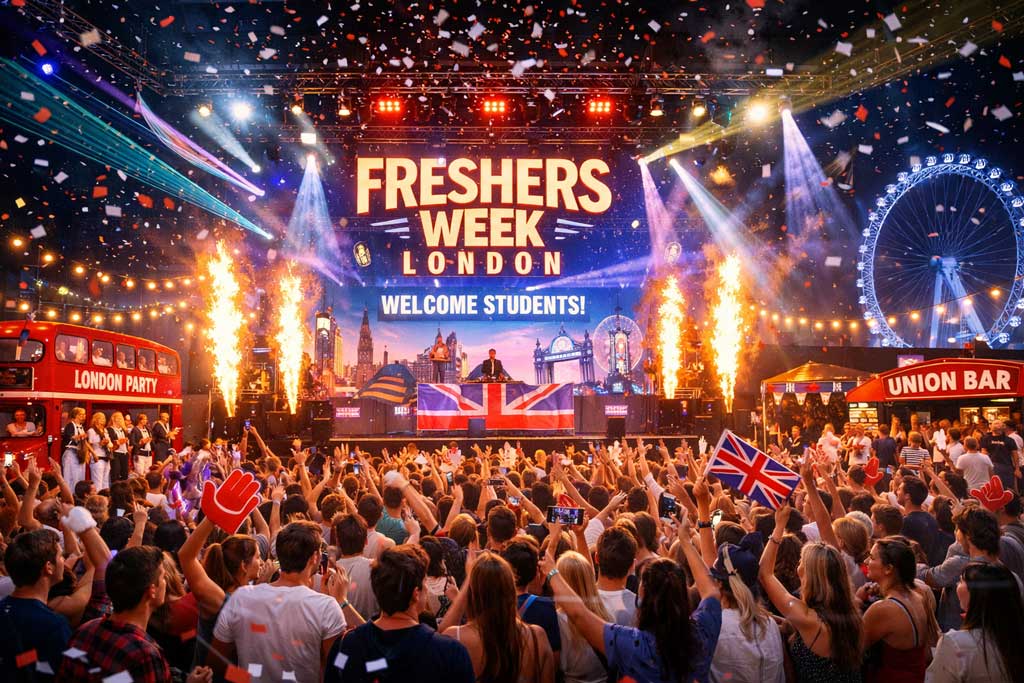
Event planning is a fast-paced and rewarding career that blends creativity, organisation, and people skills. From corporate conferences to weddings and festivals, professionals in this field bring ideas to life through careful coordination and attention to detail. If you’re exploring career paths that offer variety and growth, event planning could be an exciting option worth considering. The industry continues to evolve, with increasing demand for skilled planners who can manage both in-person and hybrid experiences.
What Does A Career In Event Planning Involve?
At its core, event planning is about organising and executing events from concept to completion. This includes budgeting, sourcing venues, coordinating suppliers, managing timelines, and ensuring everything runs smoothly on the day.
Event planners often specialise in areas such as corporate events, private parties, exhibitions, or weddings, allowing them to tailor their expertise to specific audiences. The role requires strong communication skills, as planners liaise with clients, vendors, and stakeholders to deliver a seamless experience.
Essential Skills For Success In Event Planning
To succeed in event planning, a combination of soft and technical skills is essential. Organisation and time management are critical, as planners often juggle multiple events at once. Creativity also plays a key role, particularly when designing unique and memorable experiences.
Problem-solving is another valuable skill, as unexpected challenges can arise at any stage of an event. Additionally, digital skills such as using planning software, managing online registrations, and promoting events through social media are increasingly important in today’s landscape.
Qualifications And Training Options
While there is no single route into event planning, certain qualifications can help you stand out. Many professionals begin with a degree in event management, hospitality, marketing, or business. These courses provide a solid foundation in planning, budgeting, and customer service.
Alternatively, vocational courses and certifications in event planning can offer practical, hands-on experience. Apprenticeships are also a great way to enter the industry, allowing you to earn while you learn and gain real-world exposure.
How To Get Started In Event Planning
Breaking into event planning often starts with gaining experience. This could include volunteering at events, assisting established planners, or taking on small projects independently. Building a portfolio is essential, as it demonstrates your ability to organise and deliver successful events.
Networking is equally important—attending industry events and connecting with professionals can open doors to new opportunities. Many aspiring planners also start by working within venues, agencies, or hospitality roles before moving into dedicated event planning positions.
Career Progression And Opportunities
A career in event planning offers strong progression opportunities. Entry-level roles such as event assistant or coordinator can lead to positions like event manager or senior planner. With experience, some professionals choose to specialise in niche areas or launch their own event planning businesses. The skills developed in this field are highly transferable, making it possible to move into related industries such as marketing, public relations, or project management.
Event planning continues to be a dynamic and growing profession, offering both creative fulfilment and career stability. With the right skills, qualifications, and experience, it’s a path that can lead to diverse and exciting opportunities.
Featured image credit: AI generated.